Presentation Training for Engineers: Making Technical Work Understandable

Engineers are trained to be correct. Presentations, though, are judged on whether the audience understood and trusted what was said. A structural engineer can have the soundest analysis in the room and still lose an interview if the explanation is buried in jargon and dense tables. Presentation training helps engineers translate technical depth into clear messages without losing accuracy.
Lead With the Conclusion
Technical reports usually build toward a conclusion after methodology and data. Presentations need the reverse. Engineers learn to state the recommendation first, then explain why it holds. An owner deciding between two structural systems wants to hear which one the team prefers and the main reason, then see the support. Opening with the answer lets the audience follow the rest as evidence, which keeps attention and reduces confusion.
Translate Jargon for the Audience
Selection panels often include people from finance, operations, or facilities rather than engineering. Terms that feel ordinary to practitioners can lose them. Training exercises ask participants to explain a concept such as load path, commissioning, or redundancy in plain language, then test whether a non-specialist could repeat it. Analogies to everyday experience help, as long as they stay accurate. The goal is to be understood by the least technical person in the room without sounding condescending to the most technical one.
Simplify Data and Diagrams
Engineers love data, which leads to charts that show everything. A better approach picks the one comparison that supports the point and highlights it. Training teaches how to cut axes and labels that add noise, use color to direct the eye, and write chart titles that state the finding, such as peak demand drops after the retrofit, rather than a bare label. Detailed backup slides can wait in an appendix for questions.
Deliver With Presence
Many engineers speak quietly, face the screen, and avoid pauses. Practice changes this quickly. Participants learn to face the audience, slow their pace, and use short silences to let key points land. Recorded rehearsals make the habits visible. Coaches focus on a few changes at a time, such as eye contact on the first sentence of each slide, so progress feels manageable and lasting.
Handle Questions Without Defensiveness
Technical questions can feel like challenges to professional competence. Training reframes them as chances to show judgment. Engineers practice a simple pattern: restate the question, answer directly, and offer supporting detail if needed. They also learn to admit what is uncertain and describe how it will be resolved. Panels value honest handling of risk more than claims of certainty, and it builds credibility for the rest of the presentation.
Rehearse With a Non-Technical Reviewer
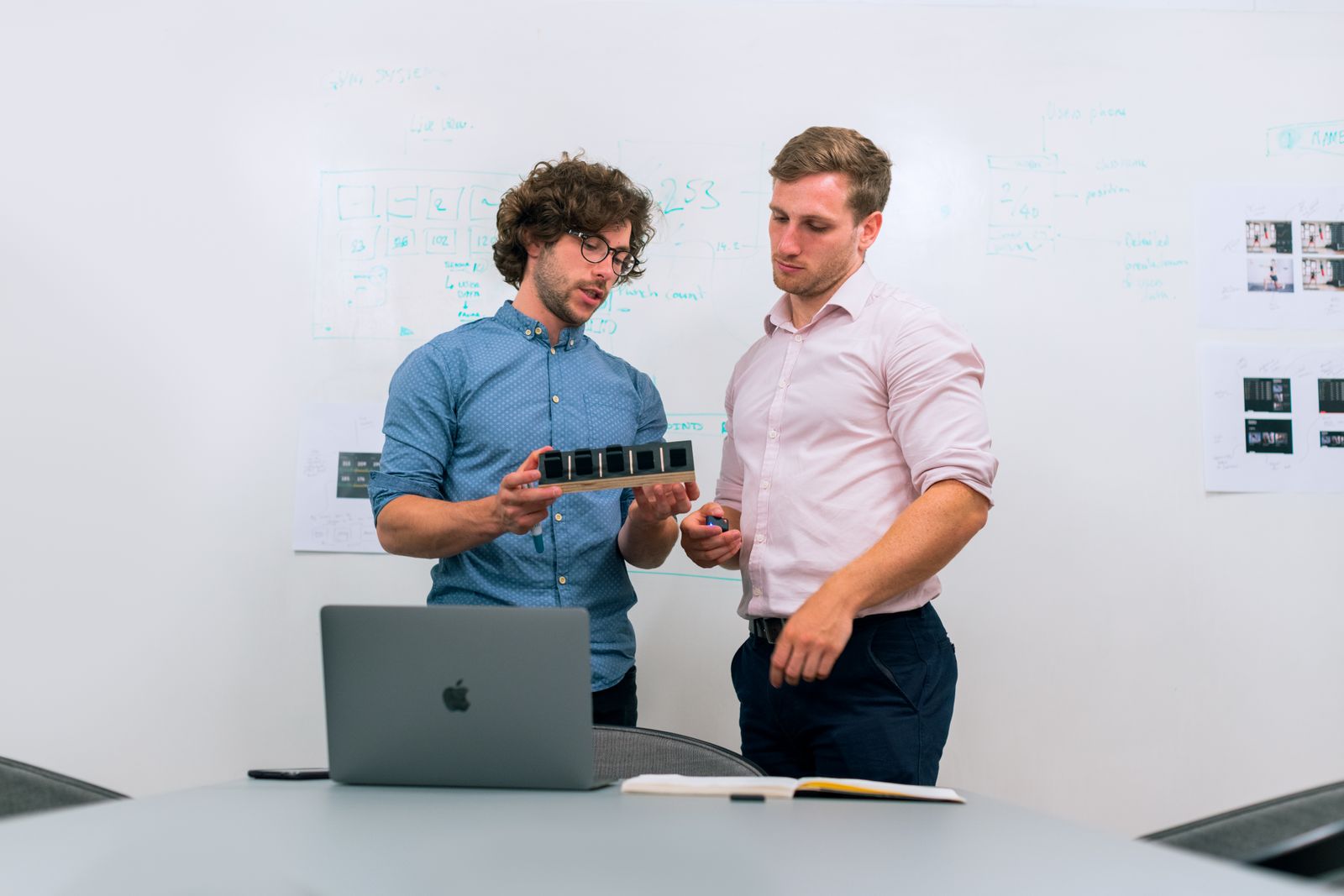
One of the most useful exercises is a run-through for someone outside engineering. If the reviewer cannot summarize the main point after five minutes, the structure needs work. Marketing staff, administrators, or colleagues from another discipline can all play this role. Their questions show which terms need replacing and which slides do not earn their place. Engineers often find this feedback more valuable than polish on delivery, because it targets the exact gap between expert knowledge and audience understanding.
The Bottom Line
Engineers who learn to present well tend to be more effective in pursuits and in client work, because they can make their expertise usable by decision makers. The skills are practical: answer first, speak plainly, simplify the data, and rehearse out loud. Firms that invest in them give their technical staff a better chance to be heard, and they give owners a clearer view of the quality of the engineering behind the proposal. Making this review a standard step before every major presentation turns it into a habit rather than an occasional favor.