Presentation Training for Engineers: Running a Meeting That Ends With a Decision

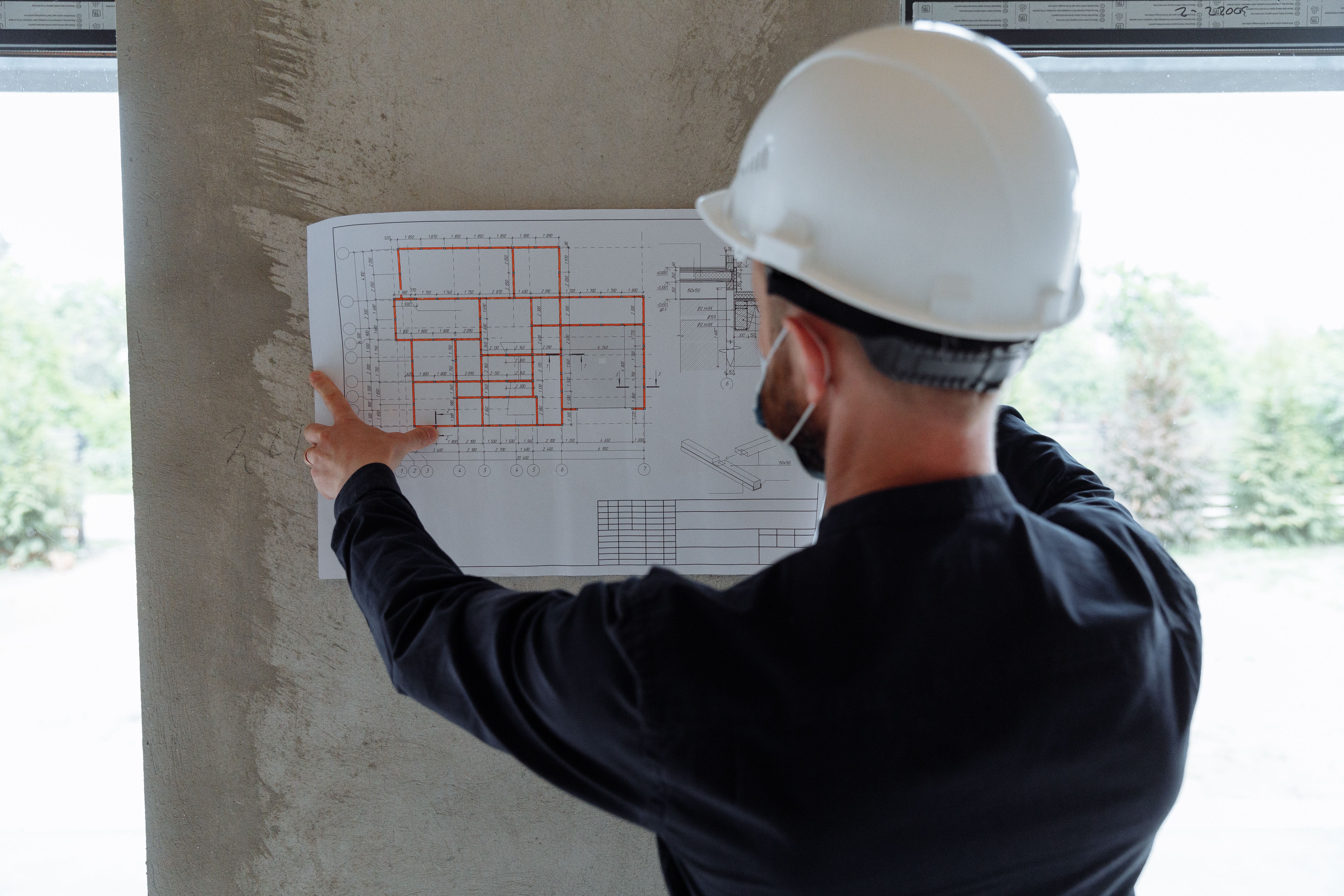
Engineers are often asked to lead meetings that determine the direction of a project, yet few have been taught how to run one. The meeting begins with a long recap of analysis, drifts into side questions, and ends with a vague promise to follow up. Participants leave unsure of what was decided, and the engineer leaves frustrated that the work was not appreciated. Presentation training can fix this by treating the meeting itself as something to design. This post describes how engineers can learn to lead sessions that finish with a clear decision and a record of who will do what. The material in this article is drawn from sessions with transportation, water, and structural teams, where meetings with agencies and owners determine whether work moves forward or stalls.
Decide what the meeting is for
Before preparing slides, a presenter should write one sentence describing the outcome. Is the group choosing between two alignments, approving a revised budget, or confirming a design basis? Training makes this a required first step. When the purpose is stated in the invitation and repeated at the start, attendees understand why they are present and what is expected of them. It also helps the engineer say no to topics that belong elsewhere.
Frame options, not findings
Technical work produces findings, but decisions require options. We train engineers to present two or three alternatives with their cost, schedule, and risk differences side by side, and to state a recommendation. Owners and non-technical managers can respond to that structure. The supporting analysis stays available in an appendix and is brought up only if someone asks, which keeps the discussion on the choice rather than the calculation.
Manage the room without losing authority
Strong personalities can pull a meeting off course. Training covers short phrases that redirect without confrontation, such as noting that a question is important and will be addressed after the decision, or asking a speaker to hold a point until the group reaches it on the agenda. Participants practice these in role play, which is more effective than being told about them. Calm and consistent facilitation builds trust.
Capture the decision in the room
A decision that is not written down is easily reopened. Engineers can learn to summarize aloud before the meeting ends: what was decided, who owns the next step, and the date. Displaying that summary on screen allows participants to correct it immediately. A short follow-up email within an hour then confirms the record and prevents misunderstandings from growing.
Build the habit with small meetings
Training works best when engineers apply it right away. Starting with a weekly coordination call or a design review gives them a low-risk place to practice. After a few weeks, the approach becomes natural and carries over into client meetings and public hearings. Managers can reinforce it by asking at the end of every meeting what was decided.
Prepare for the person who disagrees
Every important meeting includes someone who is not persuaded. They may represent a department with competing priorities or simply distrust the analysis. Training asks engineers to identify that person in advance and to consider what evidence would address the concern. Often it is a simple clarification of assumptions or a sensitivity check that shows how the recommendation changes if conditions differ. Presenters can then acknowledge the objection early and describe how it was tested. This approach reduces tension and shows respect, and it frequently turns a skeptic into a participant who helps shape the final decision rather than reopening it later.
The Bottom Line
Engineers do not need to become entertainers to lead good meetings. They need a defined purpose, options with a recommendation, a few tools for managing the room, and a habit of recording decisions. Presentation training provides these skills in a form that can be practiced and applied immediately, and the result is faster approvals and fewer repeated discussions.